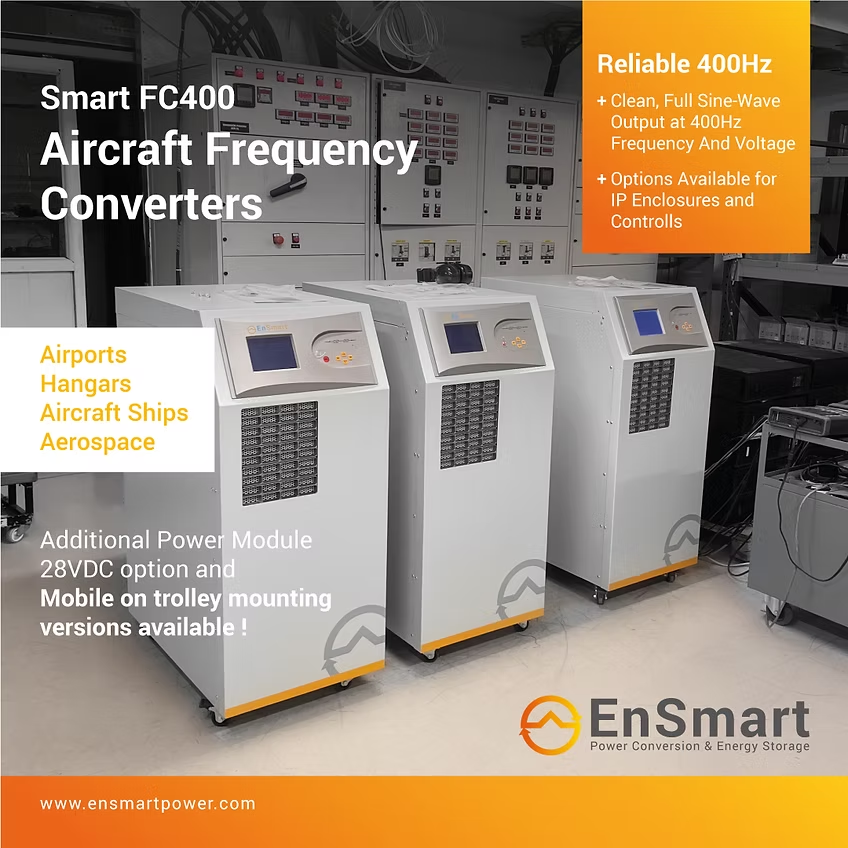
The aviation industry depends on a stable and reliable power...
Read MoreUPS For All Critical Applications

We design and manufacture newest advanced technology UPS Power supply ranging from 1kVA up to 8MW
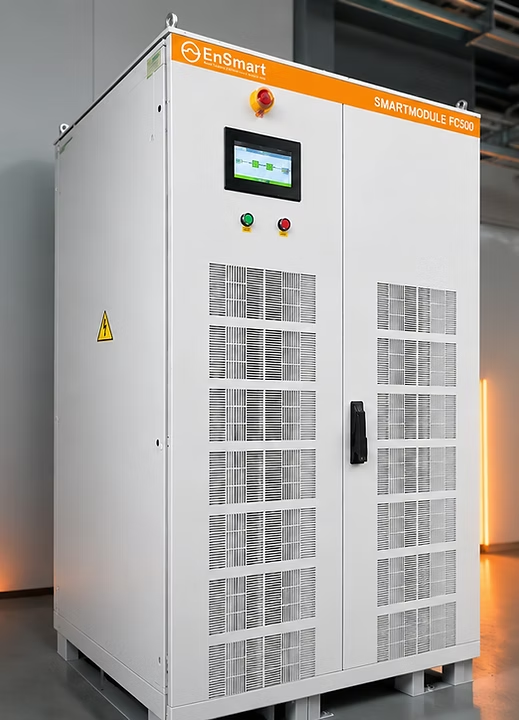
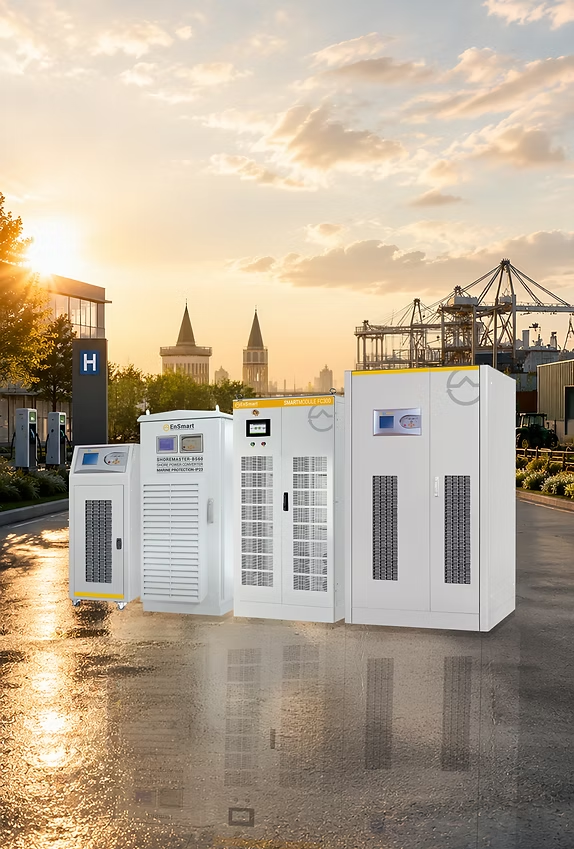
At EnSmart Power UK , we design and manufacture a wide range of frequency converters with our expertise over 40 years of power conversion. EnSmart Frequency Converters help industries for converting fixed-frequency (50 Hz / 60 Hz), fixed-voltage utility power into alternating current with adjustable frequency ( 50hz / 60hz /400hz) and voltage.
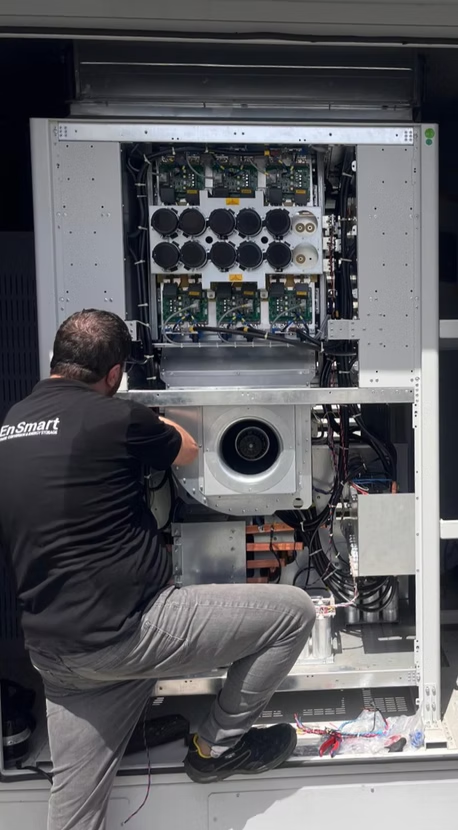
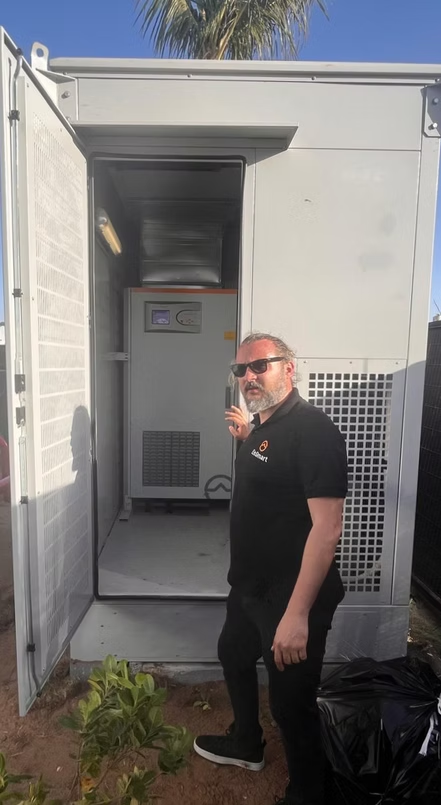
Our product range includes single and 3 phase solid-state static frequency converters, marine shore power converters, 400 Hz aircraft ground power converters, and variable frequency drives. These systems are designed for demanding applications across aviation, marine, rail, and export equipment sectors. EnSmart Power’s IGBT rectifier technology high efficiency Static Frequency Converters are available in large power range handling capacity from 10kVA up to 50MW and produced as Modular or Stand-Alone and comes in various IP enclosures IP23, IP42, IP31, IP54, IP65.
Committed to power the progress in every industry.
With over 40 years of experience in frequency and voltage conversion technologies, we are committed to provide custom engineered bespoke solutions for every industry. From the initial survey that evaluates power consumption to the start-up and commissioning, training and maintenance services – we have got you covered.
All EnSmart Frequency Converters are exported worldwide to provide reliable power the the industry leading clients and ensure compliance with highest international standards.
ISO 9001
ISO 14001
ISO 45001
ISO 55001
Partner with us to harness the power of sustainable energy and ensure a smarter, more efficient tomorrow.
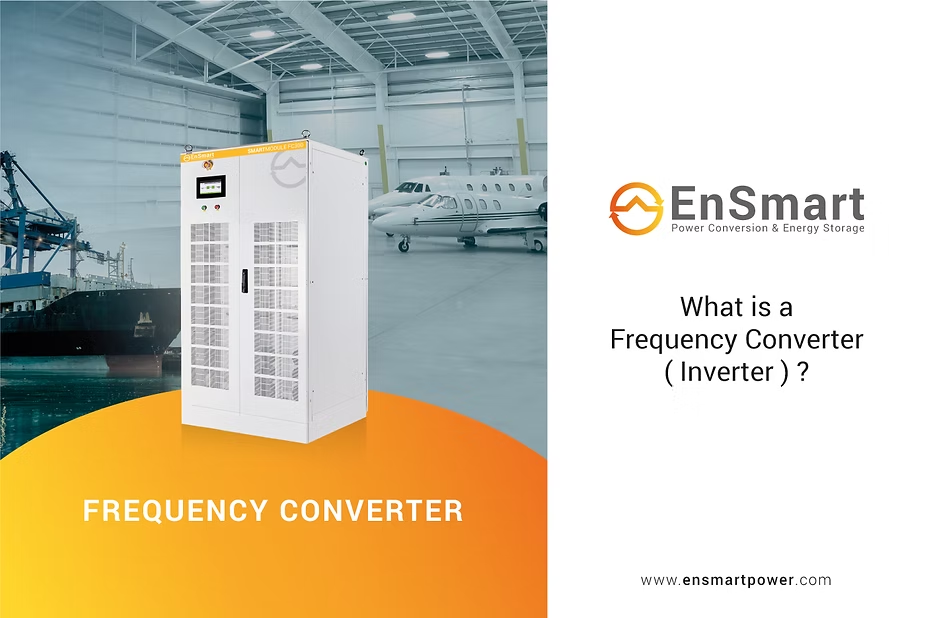
Frequency Converter is an electronically (double conversion solid-state static frequency converter ) or electro-mechanically (rotary converter) controlled power conversion device which converts alternating current (AC) of some frequency to alternating current of another frequency. (50Hz or 60Hz or 400Hz )
*Industrial Equipment Requiring 50/60 Hz or 60/50 Hz Or 400hz Conversion
• Ship-to-Shore Power & Shaft Alternator Systems
• Shore Power Converter (SPC) for Vessels
• Active Voltage Conditioner (AVC) for critical loads
• Energy Storage System (ESS) Integration
• Static Synchronous Compensator (STATCOM)
• Green Port Applications:
• Frequency-Isolated Power Generation
• Bi-Directional Power Flow for hybrid, regenerative or energy storage-based systems.
• Testing and R&D: Laboratiories for safely simulate different grid frequencies
EnSmart Static frequency converters are solid-state robust ,smaller, lighter and always on. There is no delays when you need to power your equipments. Their precise output voltage and frequency makes them ideal for many applications that need clean and reliable power.
Having no moving parts, Ensmart Power solid-state static converters require less maintenance than rotary frequency converters. The most advanced power control technologies applied in EnSmart frequency converters such as high power factors, high efficiency, reduce operation and maintenance costs significantly.

Static ,Solid-sate design for ultimate durability and protection

Thanks to IGBT rectifier technology high power factor, high efficiency, high efficieny

Guarantees 50HZ/60Hz/400hz output frequency and precise voltage regulation of +/-1%
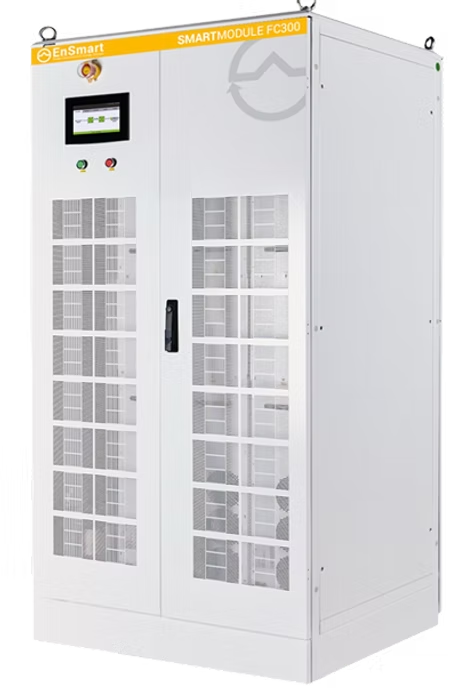
500 Real Time Event Log, Touch Panel Display, Monitoring and Shutdown Software RS232 Serial and RS485 Ports Modbus RTU , Remote EPO Dry Contact, SNMP ,ProfiBUS

Small footprint front access design makes it easy to install and service.

Stand-alone models are scalable up to 8 units and enclosure options up to IP65. Modular models are configurable up to 50MW
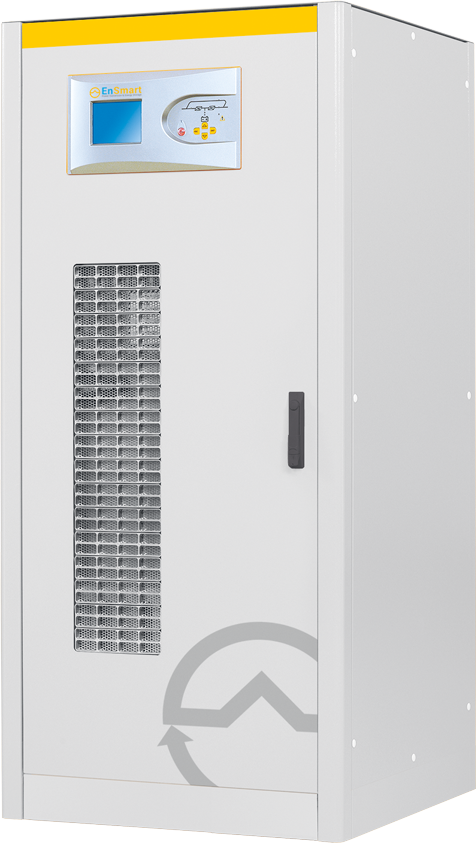
Online UPS assures total load protection against all possible mains quality problems. In this type of UPS also known as VFI Class UPS double conversion method is used.
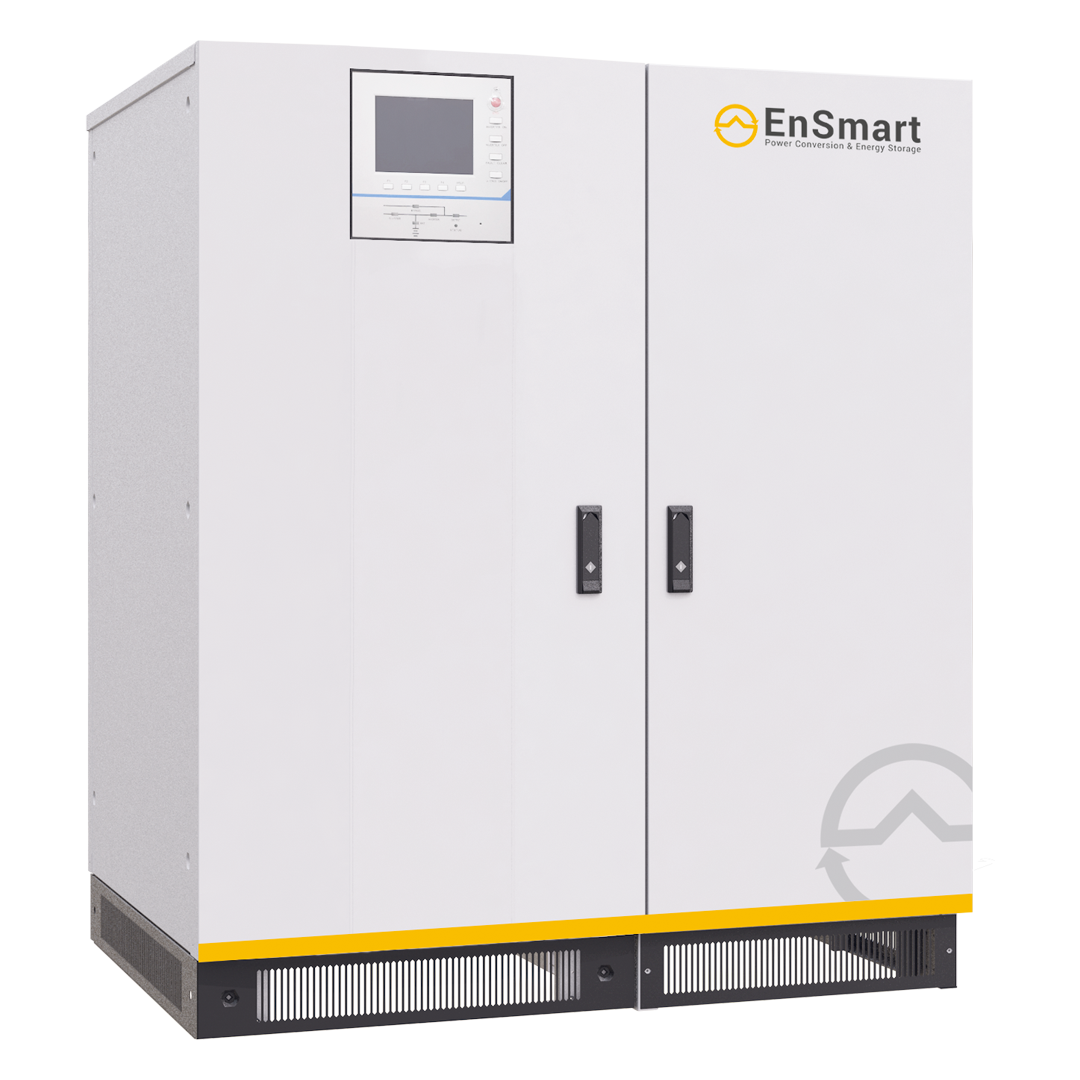
Online UPS 3 Phase
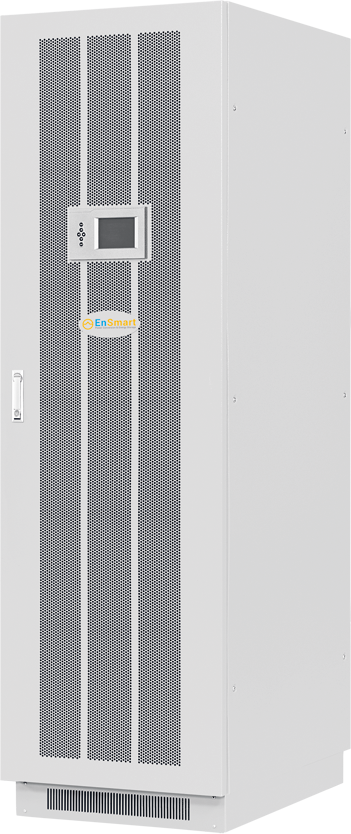
• True Three Level Rectifier and Inverter Technology
• Ultra High Energy Efficiency
Online UPS 3 Phase
• IGBT PWM Rectifier & Inverter Technology
• Low Input Current THD (<3%)
• High Input Power Factor (>0.99)
Online UPS 3 Phase
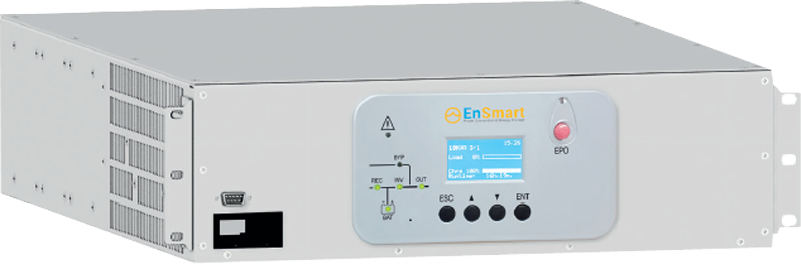
• 3/3 3/1 1/1 Phase convertible RackMounted
• IGBT PWM Rectifier & Inverter Technology
Online UPS 3 Phase
• Built In Inverter Transformer for DC-AC Galvanic Protection
• DSP Vector Control at Input and Output
• Innovative Smart IGBT Control
Online UPS 3 Phase
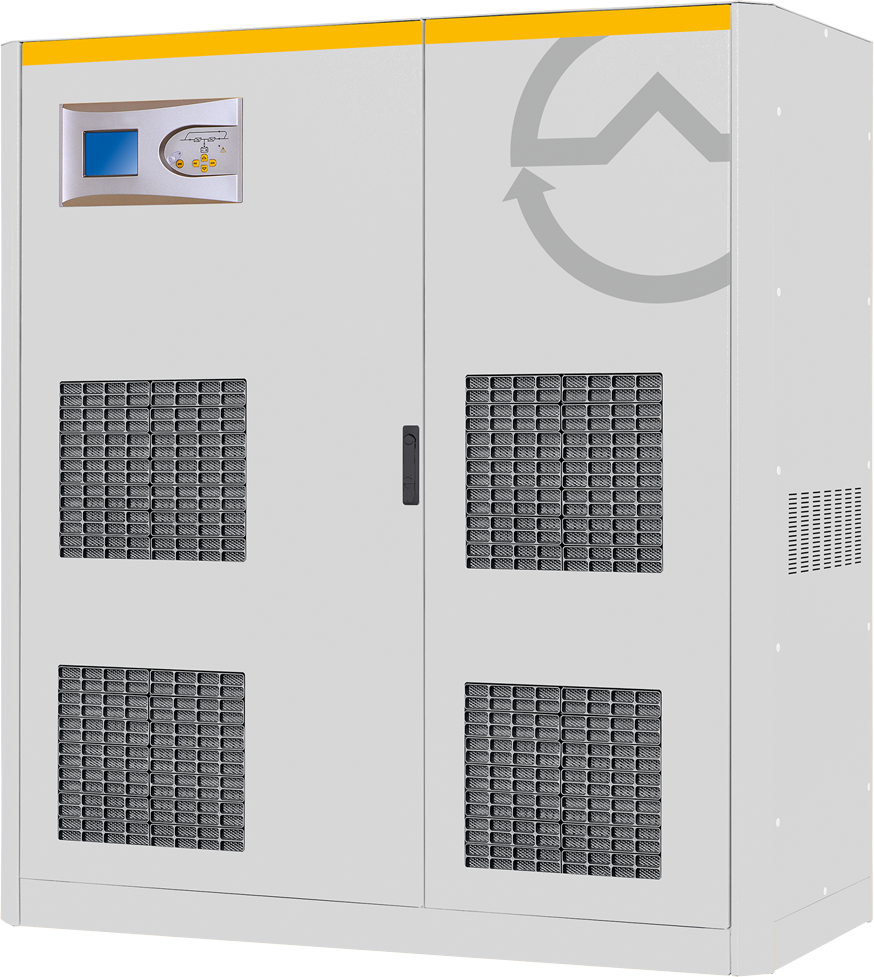
• Three Phase Industrial UPS with built in Transformer
• High Protection with Built In Isolation Transformer
Online UPS assures total load protection against all possible mains quality problems. In this type of UPS also known as VFI Class UPS double conversion method is used.
Online UPS 1:1 Phase
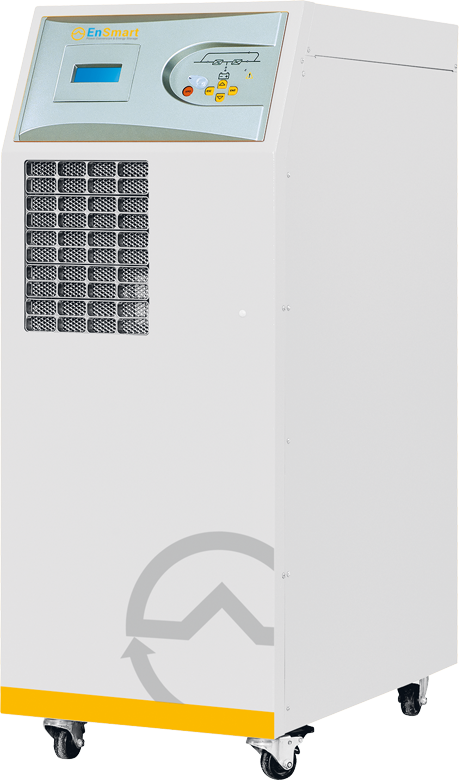
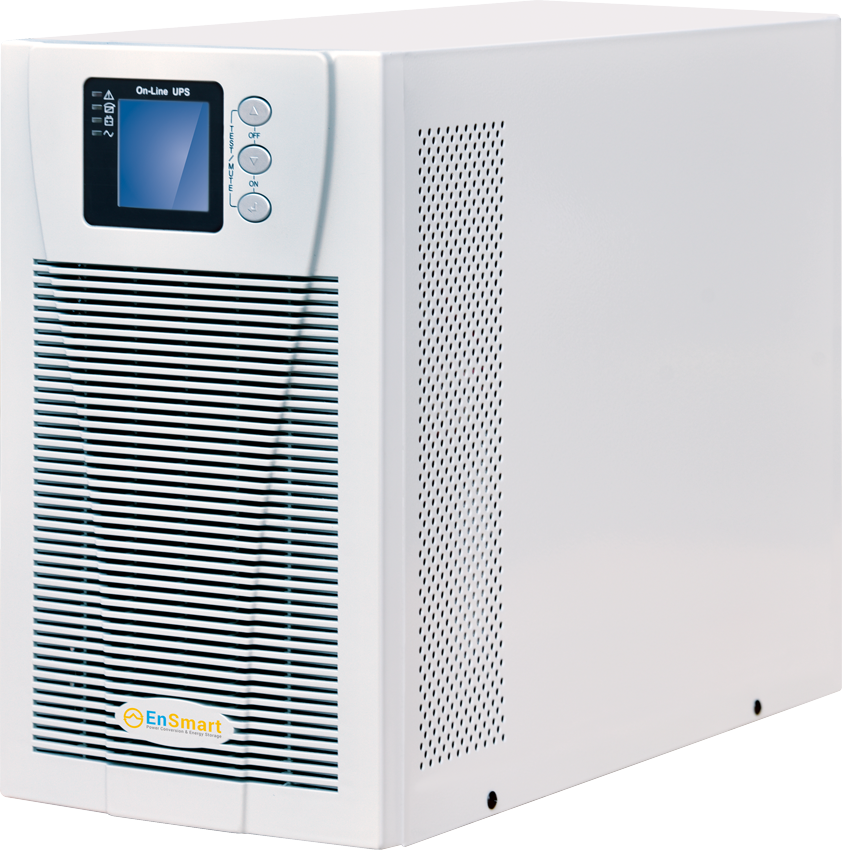
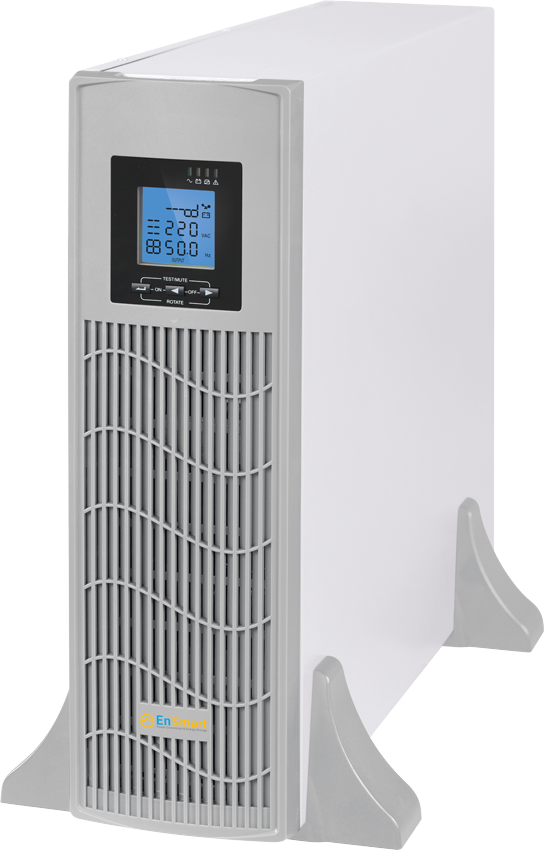
• Single Phase Power Protection For Entry Level IT Servers & Network
• True Double-Conversion Online Technology
• True Sine-wave Output provides clean energy
Online UPS 1:1 Phase
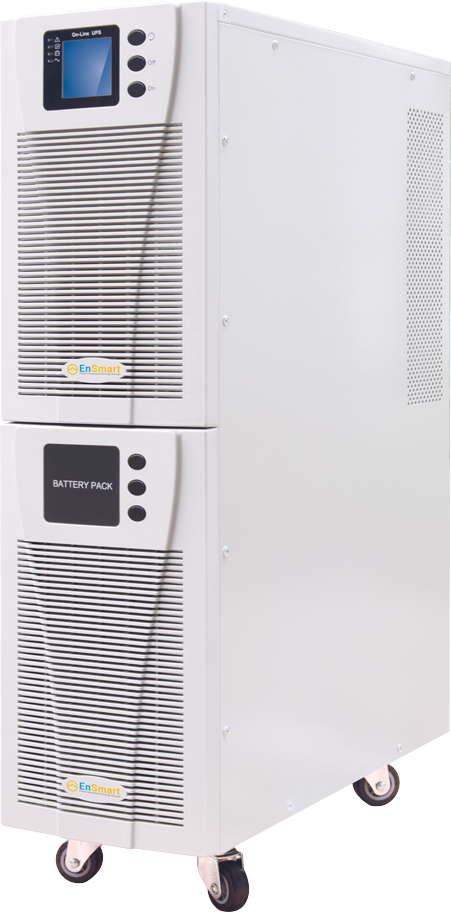
• Single Phase Power Protection For Small and Medium Businesses
• True Double-Conversion Online Technology
• True Sine-wave Output provides clean energy
Online UPS 1:1 Phase
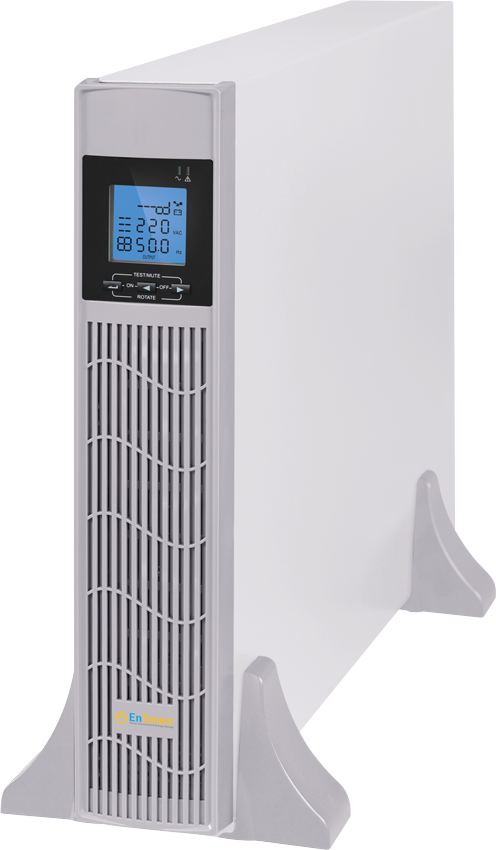
• Rack and Tower Convertible UPS Suitable for rack cabinets
• True Double-Conversion Online Technology
• True Sine-wave Output provides clean energy
Online UPS 1:1 Phase
• Rack and Tower Convertible UPS Suitable for rack cabinets
• True Double-Conversion Online Technology
• True Sine-wave Output provides clean energy
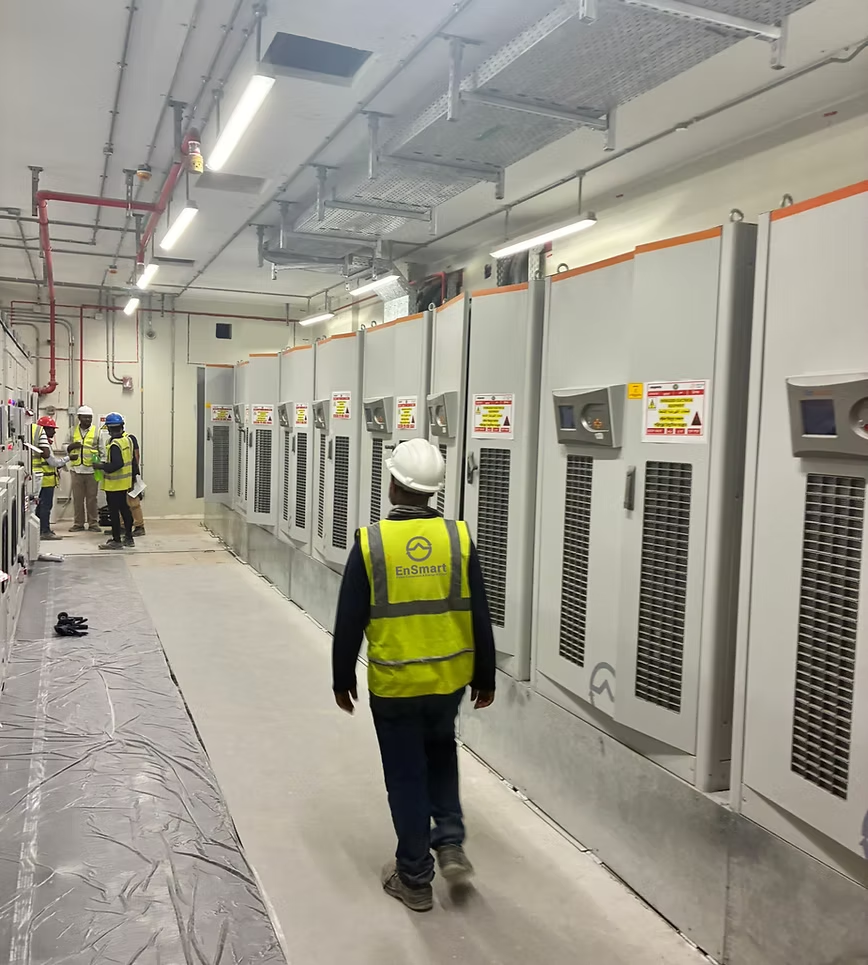
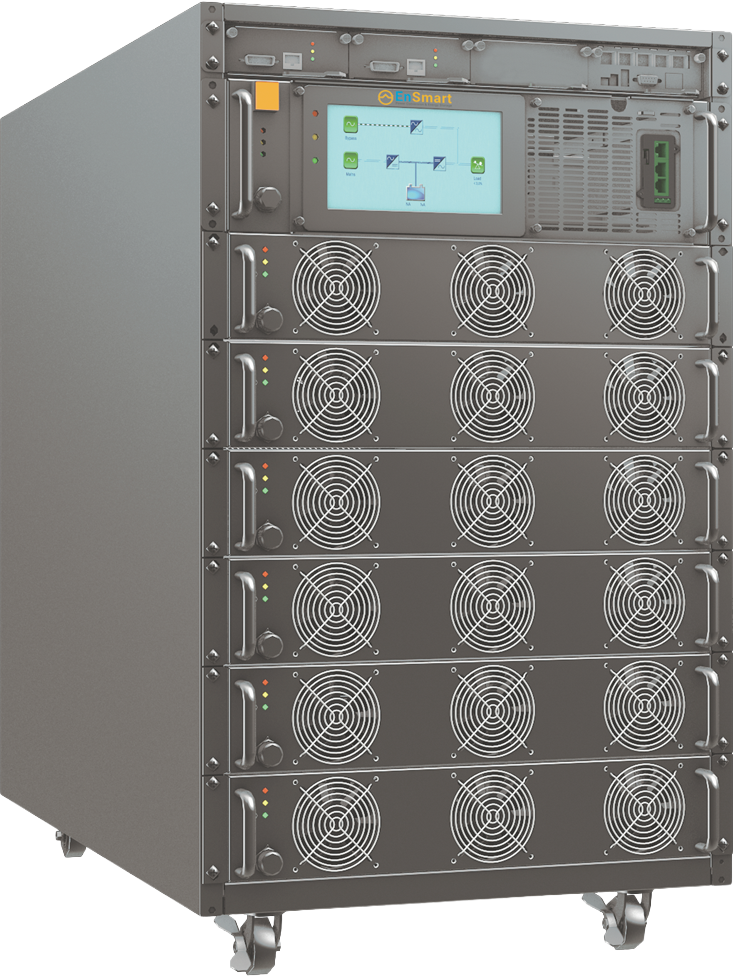
EnSmart Power’s modular and scalable UPS solutions offer outstanding flexibility with the ability of adapting load increase providing power supply availability via N+1redundancy and hot swap operations and maintenance. The removal or addition of power modules can be carried out whilst the system is running without affecting the general operation of the installation (hot swappable)
Modular UPS
• Small Footprint Modular UPS Design for 19 inch Racks
• Very Small Footprint (500KW/m2)
• Three-Level Full IGBT Active Rectifier
Modular UPS
• High Performance, Modular 3-Phase Power Protection
• Scalable up to 7200kVA
• 96% High Efficiency for Data Centers and Critical Applications
Flexible energy solutions designed to adapt to your business needs and scale as you grow. Reduce energy costs, improve efficiency, and ensure uninterrupted power with smart, reliable systems built for the future.
400hz frequency converters specially designed for the control and lighting systems of military airports and aircraft ships which uses 400hz standard for weapon systems, aerospace and aircraft industries across the world.
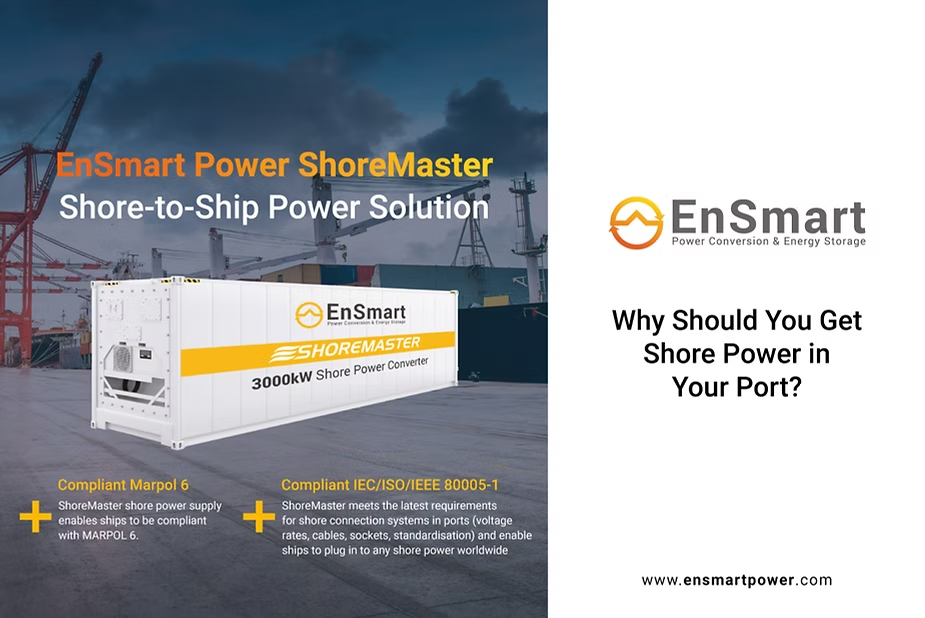
Our dock / port side shore-to-ship power frequency converters designed to help to reduce emissions in ports, by enabling vessels to shut down their diesel generators and connecting to the port’s electricity grid while berthed.
Static frequency converters are designed to convert fixed 50Hz or 60hz frequency , fixed voltage (110V, 120V, 208V, 220V, 230V, 240V, 380V, 400V, 440V, 480V etc) to alternating current of another frequency. It is ideal solution for industrial applications
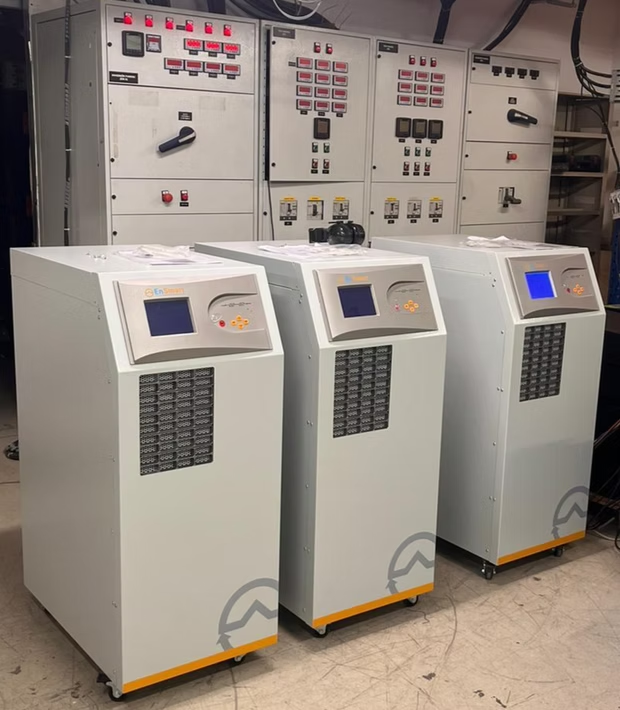
With its expertise over 40 years of power protection, EnSmart Power offers a wide range of Line-interactive or Online, Single phase , Tower or Rack-mounted and Online Three phase UPS Power Supply systems with transformer or transformerless from 600VA up to 8MW.
Any power failure can have a devastating impact on mission-critical computers, communications and data, resulting in costly downtime. UPS System is a critical factor to take into account for reliability of today’s data centers.
Avoiding downtime is a top priority in Commercial buildings that systems are operating 24/7/365. Whether it is Hotels, Hospitals, Retail Supermarkets, Public Facilities, Power is crucial for ensuring a safe, healthy environment.
Reliable power supply is crucial to ensure the continuous availability of power and safe operations for all types of manufacturing processes like consumer electronics, pharmaceutical, paper, printing, food & beverage, mining, automotive and etc
EnSmart online UPS systems combine IGBT rectifier technology with double-conversion protection to deliver reliable power for critical applications.
Continuous AC–DC–AC conversion delivers regulated power to critical equipment. It helps protect connected loads from mains voltage and frequency disturbances.
IGBT technology precisely controls the conversion of incoming AC power to DC. It supports efficient operation and improved input power quality.
A high input power factor reduces reactive power demand. This helps make better use of upstream electrical capacity.
Controlled input current helps reduce harmonic distortion on the supply. This limits electrical stress on upstream equipment.
Efficient power conversion reduces energy losses and heat generation. Lower cooling demand can help reduce operating costs.
The UPS accommodates supply voltage variations within its operating range. This reduces unnecessary battery use and helps preserve battery life.
Battery power maintains the load when the mains supply fails. In online mode, the transition requires no transfer time.
Stable output power supports sensitive equipment and essential operations. Continuous protection helps reduce the risk of disruption.
Stay up to date with the evolving world of energy storage. Discover expert perspectives on battery technologies, energy optimization, grid resilience, renewable integration, and the latest developments shaping the future of energy storage.
The aviation industry depends on a stable and reliable power...
Read MoreIn the early 1900’s, the electric power grids standardized on...
Read MoreShore power, also known as cold ironing or alternative marine...
Read MoreAny questions? Explore quick answers to help you make the right energy decision for your business.

UnInterruptible Power Supply (UPS) is an electrical equipment that provides emergency power to a load when the main input power source fails. A UPS differs from an auxiliary or emergency power system or standby generator because it will provide near-instantaneous protection from input power interruptions, by supplying energy stored in batteries.
A UPS has internal batteries to guarantee that continuous power is provided to the equipment even if the power source stops providing power. Even though the UPS can provide a short on battery run time power for a while,, however this time is enough to execute an safely shutdown of the connected apparatus ( computers, telecommunication and other electronic equipments. etc) .or to switch on a standby power source.
1. Computer jobs don’t stop because the power fails.
2. Users not inconvenienced by computer shutting down.
3. Equipment does not incur the stress of another (hard) power cycle.
4. Data isn’t lost because a machine shut down without doing a “sync” or equivalent to flush cached or real time data.
A UPS traditionally can perform the following functions:
In addition, some UPS or UPS/software combinations provide the following functions:
Offline UPS is also called as Standby UPS system as the inverter is in standby mode until the mains power supply fails.They are not expensive and recommended for home offices. Here, the primary source is the filtered AC mains (shown in solid path in figure 1). When the power breakage occurs, the transfer switch will select the backup source (shown in dashed path in figure 1). Thus we can clearly see that the stand by system will start working only when there is any failure in mains. In this system, the AC voltage is first rectified and stored in the storage battery connected to the rectifier.
When power breakage occurs, this DC voltage is converted to AC voltage by means of inverter and given to the load connected to it. This is the least expensive UPS system and it provides surge protection in addition to back up. The transfer time can be about 25 milliseconds which can be related to the time taken by the UPS system to detect the utility voltage that is lost. The block diagram is shown below.
An offline UPS provides battery power to equipment when the mains power supply falls below a pre-determined limit. Battery will usually last ten minutes.
Offline UPS units are often referred to as standby systems, as the inverter is in standby mode until the mains power supply fails. They are inexpensive and recommended for home offices. Offline technology should be avoided for applications where there is frequent power disturbance.
The line-interactive UPS is similar to a off-line UPS, but with the addition of a multi-tap variable-voltage autotransformer. This is a special type of transformer that can add or subtract powered coils of wire, thereby increasing or decreasing the magnetic field and the output voltage of the transformer. Additional filtering is provided in this UPS result in lower transient loss. Lline interactive UPS is used for small business and departmental servers and webs.
The block diagram is shown below.
Line-Interactive UPS is able to tolerate continuous under voltage brownouts and overvoltage surges without consuming the limited reserve battery power. It instead compensates by automatically selecting different power taps on the autotransformer. This has become popular even in the cheapest UPSs because it takes advantage of components already included. To gain the buck/boost feature, all that is required is two separate switches so that the AC input can be connected to one of the two primary taps, while the load is connected to the other, thus using the main transformer’s primary windings as an autotransformer. The battery can still be charged while “bucking” an overvoltage, but while “boosting” an under voltage, the transformer output is too low to charge the batteries.
The online UPS is ideal for the applications where electrical isolation is necessary and for the electronic equipments which are sensitive to power fluctuations. The initial cost of the online UPS may be slightly higher, but its total cost of ownership is generally lower due to longer battery life. The online UPS may be necessary when the power environment is “noisy”, when utility power sags, outages and other anomalies are frequent. This is extremely important when protection of sensitive IT equipment loads is required, or when operation from an extended-run backup generator is necessary.
The basic technology of the online UPS is the same as in a standby or line-interactive UPS. However it typically costs much more, due to it having a much greater current AC-to-DC battery-charger/rectifier, and with the rectifier and inverter designed to run continuously with improved cooling systems. It is called a double-conversion UPS due to the rectifier directly driving the inverter, even when powered from normal AC current.
In this type of UPS, double conversion method is used. Here, first the AC input is converted into DC by rectifying process for storing it in the rechargeable battery. This DC is converted into AC by the process of inversion and given to the load or equipment which it is connected (figure 2). This type of UPS is used where electrical isolation is mandatory. This system is a bit more costly due to the design of constantly running converters and cooling systems. Here, the rectifier which is powered with the normal AC current is directly driving the inverter. Hence it is also known as Double conversion UPS. The block diagram is shown above.
In an online UPS, the batteries are always connected to the inverter, so that no power transfer switches are necessary.
When power is restored, normal operation resumes and the rectifier continues to carry the electrical load and begins charging the batteries. The main advantage to the on-line UPS is its ability to provide an ‘electrical firewall’ between the incoming utility power and sensitive electronic equipment.
This is the most basic level of UPS. If there is any problem with the electricity (surge, sag, spike, blackout or brown out) the UPS will automatically switch to battery power. This has a 6-10 millisecond switch over time.
This is a secondary level that is better suited for protecting higher end equipment. This level of UPS has Automatic Voltage Regulation (commonly referred to in the Industry as AVR). This UPS is designed to regulate surges, spikes, and sags in utility power to keep it at is correct voltage all before going to battery. Additionally, this saves on battery life. There is a 6-10 millisecond switch over time.
This is the top level of UPS on the market today, should the equipment you are looking to protect be “Mission Critical.” This UPS is designed to condition the power coming into equipment and includes 3-phase UPS systems. Utility electricity often comes into a facility in a distorted state due to electrical noise. Online UPSs are constantly filtering out these problems, and will provide pure sine wave, undistorted electricity as it flows into your equipment. There is no switch over time.
One of the most important things that you must know before buying a UPS is your “power requirement”. In simple words: What all electrical appliances (like CFL, tube lights, fan, television, computer, refrigerator etc.) will you run at the time of power cut. Power requirement is addition of the power consumed by various electrical appliances.
If the total current drawn by connected equipment exceeds the UPS system’s capacity, the UPS becomes overloaded. If the UPS is overloaded, it will drop the load during an outage instead of switching to battery model.
You can estimate your UPS capacity requirement by totaling the wattage requirements of all the equipment you plan to connect to the UPS system. You should refer to the equipment manufacturer’s documentation to find the wattage.
Suppose you want 4 Fans, 4 Tube lights, 7 LED lights, 1 television & refrigerator to operate at the time of power failure. The power consumed by these items will be total of the power consumed by these individually:
1 Fan – 70 Watts
1 tube light – 40 watts
1 led light – 7 watts
1 led television – 70 watts
1 Refrigerator – 140 Watt
Therefore your total power requirement is (4*70 +4*40 + 7* 7 + 1*70+ 1*140) = 699 watts.
If you can’t find any printed or online documentation, refer to the equipment nameplate. If your equipment lists its power requirements in amps, multiply the number of amps by the AC voltage to estimate wattage.
To calculate the VA Rating : multiply the Amps of the equipment you will use with the mains voltage you require and divide by the Power Factor (PF) of the equipment.
For example:
Computer equipment requires : 2 Amps (current)
Mains voltage used : 230VAC (AC voltage)
Power factor of computer equipment : 0.6 (typical for computer equipment)
2A x 230V = 460W / 0.6 PF = 766 VA
You will require a 800VA but to cater for your future expansions and to not stress the UPS by running on 100% load all the time, you always add 20-25% capacity. Therefore a 1000VA UPS (1KVA) should be used in this case.
When choosing a UPS system it is a good idea to also plan ahead to cater for expansion so that your investment in a UPS does not out grow your future needs.
Some network/server UPS systems have a high power factor that makes more efficient use of your facility’s power infrastructure and available space, allowing you to connect more equipment to each UPS system and circuit. While a 10,000 VA UPS with a 0.7 power factor will support a 7,000-watt load, a 10,000 VA UPS with a 0.9 power factor will support a 9,000-watt load, an increase of 2,000 watts without a corresponding increase in circuit requirements.
The backup time is proportional to the load that is connected to the UPS. The more the load, the less the backup time. You can have backup time as little as 5 minutes which will enable you to shutdown the equipment connected to the UPS before the power fails; or many hours of backup time so you can keep your equipment running until mains power returns. Longer backup time and higher protection levels cost more than short backup times and lower protection levels.
A UPS system is often used to provide uninterrupted power after mains fail until a generator starts up.
Muser 4000 is a software that allows you to monitor and manage your Compact Series 3 phase uninterruptible power supply (UPS) locally via serial or USB port. It also provides auto-shutdown and auto-save features to protect your data and equipment from power outages. In this article, we will show you how to download and install Muser 4000 software for your UPS.
Download Muser 4000 Software
Computer access (CD MUSER 4000)
1-One end of a USB cable connect to the computer, the other end connect to the USB port on the UPS. Open the software Muser4000, click “system” button
2-A window of “Software Parameter Setting” comes out as below, COM choose according to the UPS,baud rate choose 9600, protocol choose “HIP”, then save this setting
3-On the main page of Muser4000, click the button of “Append”, then goes to a window of “Append equipment”
4-Put the UPS name into “Equipment Name”, and UPS’ ID address into “Equipment address”
5-Click the button “Append”, then the connection between UPS & computer is accomplished.
Important Note: When the UPS worked on inverter. If you want to use PC to set the output voltage and frequency , the inverter must be shut down first.
Complete this short form. We’ll connect you with one of our expert team members to discuss energy storage/charging options for your Home or Business
Or you can directly rich out on below contact details